Tariff Headlines Flip Markets “Risk-Off” — Then Crypto Liquidations Make It Worse

Tariff news can hit crypto fast. Not because tariffs change Bitcoin’s tech. But because tariffs can scare markets. When fear rises, traders cut risk. Crypto is usually near the top of the “risk” list.
That is what happened after fresh tariff threats tied to the Greenland dispute. European markets dropped. Investors rushed into safe havens. Gold and silver jumped to record highs. The Guardian
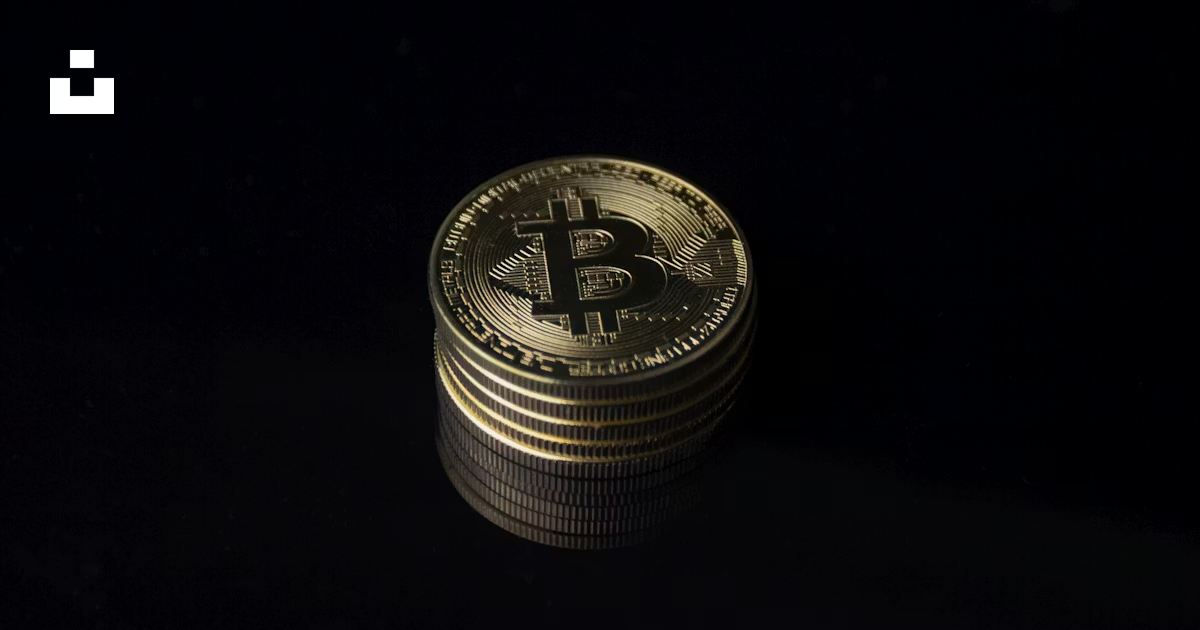
At the same time, crypto slipped. Bitcoin fell below key levels. Leveraged traders got squeezed. CoinDesk reported roughly $600 million in long liquidations during the move. CoinDesk
Trade / tariffs visual
What “risk-off” means (simple version)
“Risk-off” is when investors stop chasing returns. They start protecting capital.
You usually see:
- Stocks fall (especially cyclical sectors).
- Safe havens rise (gold is the classic one).
- Volatility jumps.
- Traders reduce leverage.
That day, the pattern was obvious. Stocks dropped in Europe. Gold and silver hit fresh highs as investors looked for safety. The Guardian
Crypto often moves like high-beta tech in these moments. It can fall harder. It trades 24/7. And it has a lot of leverage.
What the tariff headline actually was
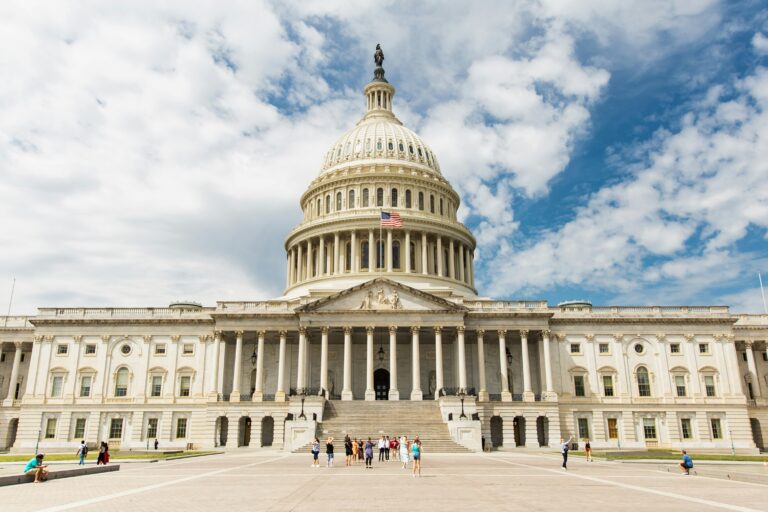
Reports said the U.S. president threatened tariffs on eight European countries. The reason was linked to the Greenland dispute. The proposed plan included a 10% tariff starting Feb 1, with a potential rise to 25% by June 1 if demands were not met. The Guardian
Even if tariffs never happen, the headline matters. Markets hate uncertainty. Traders reposition first. Details come later.
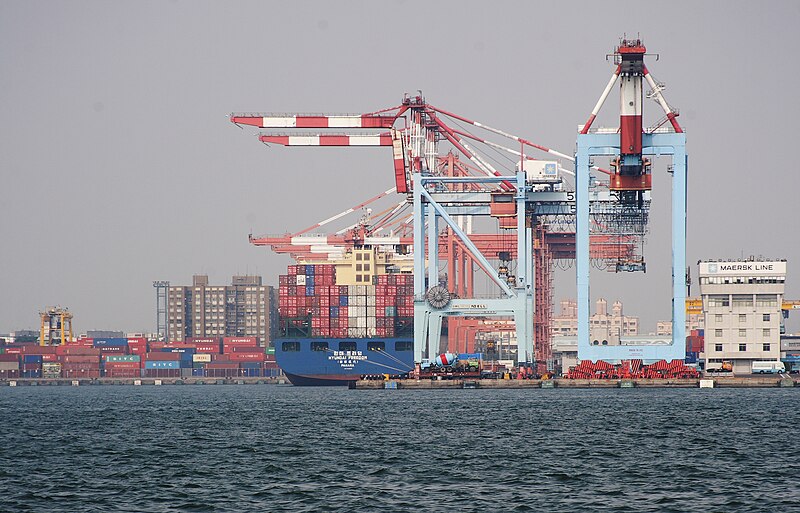
“Tariffs hit global trade” visual

Why crypto drops harder than other assets
Crypto has three built-in amplifiers.
- It trades all the time – Stocks can’t reprice overnight in the same way. Crypto can. That makes it the fastest place to reduce risk.
- Leverage is common – Perpetual futures and margin trades are everywhere. That means many traders are borrowing to increase exposure.
- Liquidity can vanish quickly – During sharp moves, order books thin out. Spreads widen. A small push can create a bigger fall.
So a macro shock can turn into a liquidation event. Not just normal selling.
What liquidations are (and why they snowball)
A liquidation happens when an exchange forces a position closed. It happens because the trader’s margin can’t support the loss anymore. coinglass
That forced close becomes a market order. For longs, it becomes forced selling. That pushes price lower.
Then the next group gets liquidated.
That chain reaction is the “liquidation cascade.” OKX describes it as a domino effect where one liquidation triggers more, which can worsen volatility and drain liquidity. OKX
This is why the move can look sudden and violent. It is not only people choosing to sell. It is also forced selling.
CoinDesk said about $600M of long positions were liquidated in the risk-off slide tied to tariff fears. CoinDesk
“Crypto selloff / chart” visual

The clean way to explain this move (without hype)
If you want your website to look serious, don’t write:
“Bitcoin crashed because tariffs.”
Write this instead:
- Headline creates uncertainty.
- Markets shift to risk-off. Safe havens rise, stocks fall.
- Crypto sells off early because it’s liquid and volatile.
- Leverage breaks. Longs get liquidated.
- Liquidations add fuel and deepen the drop.
That is the story. Clear. Factual. No drama.
What to watch next (real signals, not guesses)
If you publish crypto news, add things readers can track. It makes you look credible.
Liquidation pressure
Are liquidations slowing down? Or still spiking? Liquidations are forced closes in leverage trading, so they often mark panic points. coinglass
Leverage rebuilding
After a wipeout, open interest often drops. If it rebuilds fast, risk returns fast too. That can mean more volatility.
Funding rates
Funding can show if longs are getting crowded again. Crowded longs get punished in sharp drops. (This is part of how perp markets work, and why leverage matters.) OKX
The headline stream
If tariff threats escalate or spread, risk-off can last longer. If leaders soften language, risk can rebound quickly. The Guardian
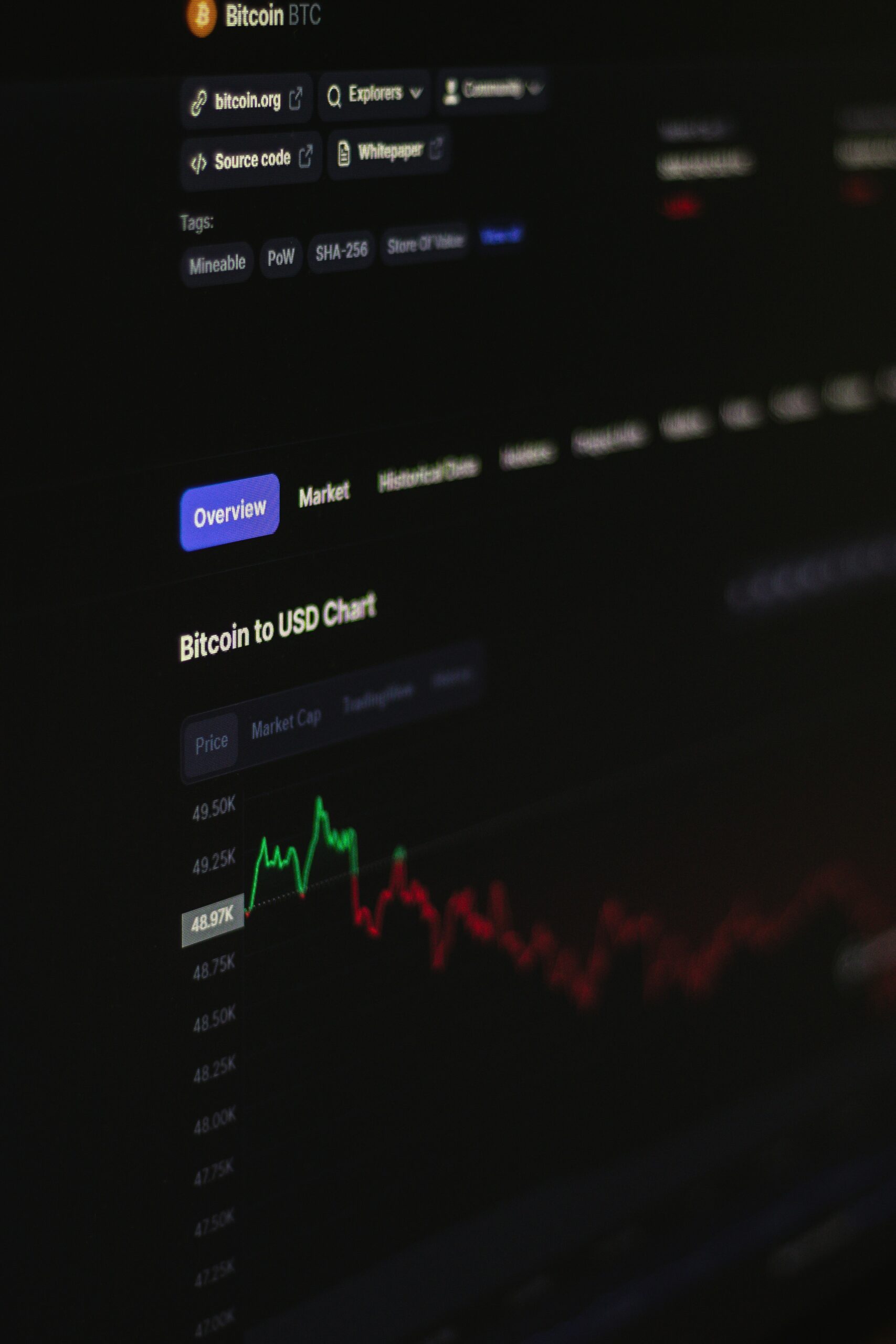
“Trading screen / volatility” visual
FAQ
Do tariffs directly affect Bitcoin?
Not directly. The bigger effect is sentiment. Tariffs increase uncertainty. That pushes markets into risk-off. Crypto often drops with other risky assets.
What is a liquidation in crypto?
It is when an exchange forcibly closes a leveraged position because margin falls below required levels.
What is a liquidation cascade?
It is a chain reaction. One forced close moves price, which triggers more forced closes, and so on.