
US crypto market-structure bill: introduced, then hits turbulence

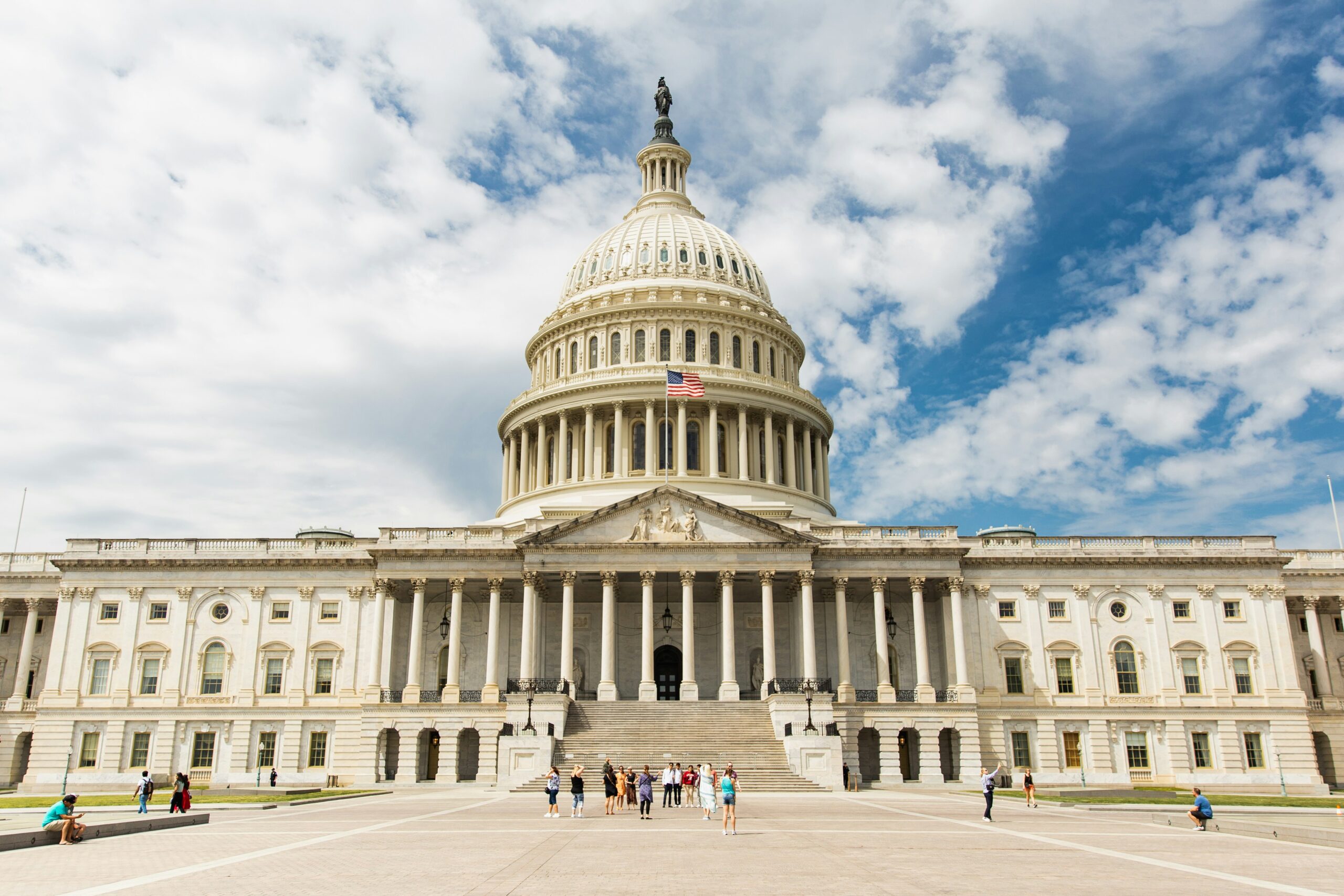
A new US crypto market-structure proposal landed in Washington, and it moved fast — until it didn’t. A draft bill was introduced with the goal of setting clearer rules for digital assets. Then it hit turbulence almost immediately, including pushback from parts of the crypto industry and a delay in planned committee discussion. Reuters
If you run a crypto news site, this is the type of story that keeps ranking. Why? Because “market structure” decides who regulates crypto, what counts as a security, and what exchanges are allowed to list. That affects everything from token listings to stablecoin rewards.
What “market structure” really means
Market structure is basically the rulebook for how crypto is issued, traded, and supervised in the US.
It tries to answer questions like these:
- When is a token a security (SEC territory)?
- When is it a commodity (CFTC territory)?
- What must an exchange do to list tokens legally?
- What disclosures do projects need to publish?
Right now, the US framework is messy. Regulators often rely on enforcement actions instead of clear rules. That uncertainty is one reason so many crypto businesses complain about “regulation by enforcement.” Reuters

What this Senate draft was trying to do
From the reporting around the proposal, the core aim was to reduce ambiguity and create a clearer pathway for crypto assets to trade under defined rules. One of the biggest ideas is shifting more spot-market oversight toward the CFTC, depending on how an asset is classified. Reuters
That matters because the SEC and CFTC approach crypto differently:
- The SEC focuses on securities laws, investor protections, and disclosures.
- The CFTC traditionally oversees commodities and derivatives markets, and many in crypto argue it would be a more “natural” fit for spot crypto in some cases.
This isn’t a small technical debate. If the bill changes the boundary between SEC and CFTC authority, it can reshape which tokens get listed, how exchanges register, and what compliance costs look like. Reuters

So why did it hit turbulence right after launch?
The short version: the draft faced immediate criticism, including from major crypto voices, and lawmakers pulled back from moving too quickly.
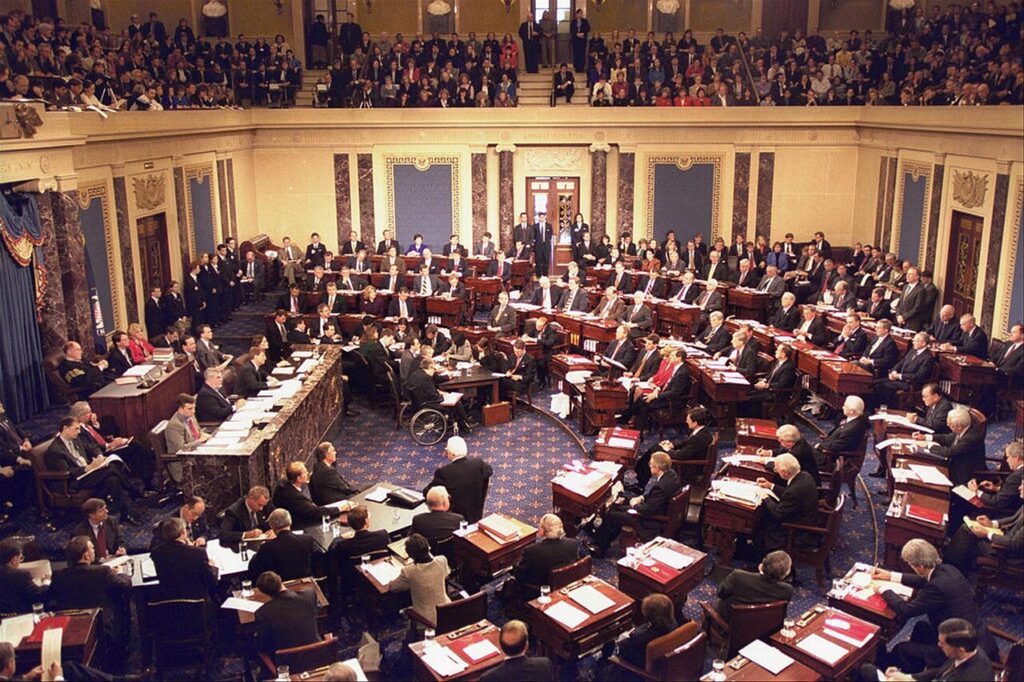
Reuters reported that the Senate Banking Committee delayed a planned discussion of the draft after backlash that included public opposition from Coinbase CEO Brian Armstrong. Reuters
That’s important for two reasons:
- Coinbase is one of the loudest and most influential US crypto policy players.
If they oppose a draft publicly, it signals serious friction inside the “pro-crypto” coalition. - It shows the bill isn’t only fighting traditional critics.
These bills always face resistance from parts of banking, consumer protection groups, and some policymakers. But when crypto leaders push back too, it becomes harder to build a clean bipartisan path.
There were also reports that the committee’s timeline shifted toward later in the month rather than immediately. Yahoo Finance
What parts of the draft were likely sensitive
When a market-structure bill stalls quickly, it’s usually because of “edge issues” that are not actually edge issues. They hit major business models.
Based on the coverage of the pushback, here are common pressure points that can trigger a fight:
1) Token classification rules
If the bill creates tests that decide whether tokens are securities or commodities, every major project and exchange will analyze whether those tests help or hurt them.
If the rules look too strict, projects fear delistings.
If the rules look too loose, critics argue it weakens investor protection.
Either way, someone gets angry.
2) Exchange registration and listing standards
A “clear pathway” often means exchanges must meet specific requirements. That could include disclosures, conflict-of-interest controls, custody standards, and market surveillance.
Big exchanges might accept this if it gives legal certainty. Smaller platforms may struggle with cost.
3) Stablecoins and rewards
If lawmakers touch stablecoin economics (like reward programs), they are touching a product used by millions of people. Even small wording changes can impact yields, partnerships, and user growth.

How this connects to the House “CLARITY Act” effort
This Senate turbulence is happening while the House has already been working on its own market-structure approach.
For example, the Digital Asset Market Clarity Act of 2025 (often shortened to the “CLARITY Act”) appears on Congress.gov as an active House-originated effort that was sent to the Senate. Gesmer Updegrove LLP
That matters because Congress often ends up with two versions:
- A House bill that moves first
- A Senate bill that tries to be the “grown-up version”
- Then negotiations to merge or align them
So even if this Senate draft slows down, it doesn’t mean the topic disappears. It usually means the text is being rewritten behind the scenes.
What this means for crypto traders and investors right now
A market-structure bill doesn’t change the rules overnight. But it does change expectations.
Here’s what the market typically watches:
- Probability of regulatory clarity rises: bullish for US-based exchanges and large-cap tokens.
- Probability of restrictions rises: bearish for certain token categories or business models.
- Headline-driven volatility increases: every “delay” or “breakthrough” triggers fast price reactions.
What to watch next
- When the Senate Banking Committee reschedules discussion or markup. Reuters
- Whether key industry players shift from criticism to support. Reuters
- Whether Senate text starts to converge with the House track. Gesmer Updegrove LLP
- Any explicit signals from SEC/CFTC leadership about how they would implement a new framework.